
The Influence of Environment on Decision-Making
The environment of a casino plays a crucial role in shaping the gaming choices of individuals. Factors such as lighting, sound, and decor create a unique atmosphere that seduces players into engaging with various games. For instance, bright lights and enticing sounds from slot machines produce an exhilarating ambiance that can heighten excitement and prompt spontaneous decisions. This immersive experience often leads players to try games they might not typically consider, as they may even explore casinos no kyc if the mood strikes them, simply because they are captivated by the atmosphere.
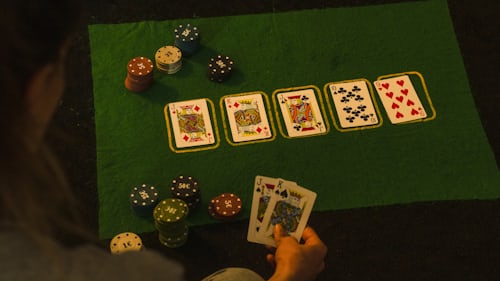
Moreover, casinos are designed to keep players inside for extended periods, often featuring amenities such as bars and food options. This design can lead to an altered perception of time and influence decision-making processes. As players become engrossed in the gaming experiences, they may make choices based on emotion rather than logic, demonstrating how a carefully crafted environment can affect their preferences and actions.
The Role of Personal Psychology in Gaming Choices
Individual psychology significantly impacts gaming preferences and choices in casinos. Factors such as personality traits, previous experiences, and risk tolerance can shape how players engage with different games. For example, thrill-seekers may gravitate towards high-stakes poker tables or fast-paced slot games, while more cautious individuals might prefer games with lower risks, such as blackjack or roulette. Understanding these psychological traits can help explain why certain games attract specific types of players.
Additionally, players often rely on cognitive biases when making decisions at the casino. The illusion of control, for example, leads individuals to believe they can influence outcomes in games based on chance. This belief can encourage players to pursue certain games, despite the inherent randomness involved. By recognizing such psychological influences, we can better understand the diverse gaming choices made by individuals within casinos.
The Impact of Social Dynamics on Gaming Preferences
Social dynamics play a significant role in shaping people’s gaming choices in casinos. The presence of friends or fellow gamblers can influence individuals to try new games or participate in group activities, fostering a sense of camaraderie. This social aspect can amplify enjoyment and encourage individuals to register for games they might otherwise avoid when playing alone.
Moreover, peer pressure and competitive spirit often come into play, especially in environments like poker rooms where players directly interact with each other. The desire to fit in or outshine others can motivate individuals to engage in riskier gaming choices, as they seek validation from their peers. Thus, the social context in which gaming occurs can dramatically affect the decisions players make and the games they choose to pursue.
The Emotional Rollercoaster of Gambling
Emotions are integral to the gaming experience at casinos, influencing both the choices made by players and their overall satisfaction. The highs of winning can elicit feelings of joy and excitement, prompting individuals to return to their favorite games in hopes of replicating that success. Conversely, losses can lead to frustration and disappointment, sometimes resulting in impulsive decisions to chase losses or try different games to escape negative emotions.
This emotional rollercoaster can affect players’ long-term gaming habits. For some, the thrill of a big win can create an addictive cycle where they continually seek out the excitement associated with gambling, while for others, the anxiety of losing can deter them from returning to the casino environment. Understanding this emotional interplay can help casinos tailor their offerings to better meet the psychological needs of their clientele.

Enhancing Gambling Strategies through Insights
For businesses looking to optimize casino experiences, understanding the psychological aspects of gambling choices can lead to innovative strategies. By analyzing players’ preferences and behaviors, casinos can design customized promotions that resonate with individual psychology, enhancing customer satisfaction and loyalty. For example, targeted rewards based on gaming history can encourage players to explore new games they may not have considered otherwise.
Furthermore, casinos equipped with insights on player psychology can create environments that foster responsible gaming practices, ensuring customers remain engaged without experiencing negative outcomes. By prioritizing both enjoyment and ethics in gaming, casinos can cultivate a thriving atmosphere that resonates with players on multiple levels, ultimately improving the overall gaming experience.