
How gambling habits shape our emotions and decisions
The Emotional Rollercoaster of Gambling
Gambling often creates an emotional rollercoaster for participants, inducing a rush of excitement during wins and a deep sense of disappointment during losses. This unpredictable nature can lead to a heightened state of arousal, where the thrill of potential reward overshadows the risks involved. Players frequently find themselves on a quest for that next win, convinced that their luck will change at any moment, which can make it challenging to maintain a rational perspective. As they explore options, many turn to https://kaboomslotscasino.co.uk/ for a diverse selection of games.

Moreover, the emotional highs associated with gambling can become addictive. When a person wins, the surge of dopamine—a neurotransmitter linked to pleasure and reward—reinforces the behavior, making them more likely to gamble again. This cycle can create a compulsion to chase losses, as players may believe that one more bet could bring them back to an emotional high or financial stability, despite the increasing odds against them.
Understanding the emotional landscape of gambling can help individuals identify their motivations and triggers. Awareness can lead to more mindful decisions and enable players to enjoy gambling as a form of entertainment, rather than a way to escape negative emotions or stress. By acknowledging these feelings, gamblers can mitigate emotional risks and prevent the destructive patterns often associated with excessive gambling.
The Impact of Cognitive Biases
Cognitive biases play a significant role in shaping gambling behaviors and decisions. For example, the illusion of control bias makes individuals believe they can influence the outcome of games of chance. This misguided sense of empowerment can lead to riskier bets and excessive gambling, as players overestimate their skills or knowledge in games like poker or blackjack. The belief that they can outsmart the house may encourage them to chase losses, leading to deeper financial distress.
Another common cognitive bias in gambling is the gambler’s fallacy, where individuals think past outcomes affect future results. For instance, if a player observes a series of losses, they may irrationally believe that a win is «due.» This faulty logic can lead to increased betting and emotional investment, often resulting in significant financial losses. Recognizing these biases is crucial for gamblers to make more informed decisions, reducing the likelihood of impulsive actions driven by flawed thinking.
By understanding the influence of cognitive biases, gamblers can develop strategies to counteract their effects. Techniques such as setting limits on time and spending can help maintain a rational approach. Additionally, education about game mechanics and odds can empower players to make more informed choices, allowing them to enjoy gambling responsibly and with awareness of its psychological effects.
The Role of Social Dynamics
Social interactions significantly shape gambling habits and emotional experiences. Many people gamble in groups, whether at casinos or online platforms, where camaraderie can amplify emotions. Shared experiences during games can intensify the excitement of winning and the camaraderie during losses. However, peer pressure can also lead individuals to gamble more than they might on their own, as the desire to fit in or impress others can override personal decision-making.
Moreover, the social environment influences the perception of gambling as a leisure activity. In some cultures, gambling is embraced and celebrated, while in others, it may be stigmatized. These cultural attitudes can affect how individuals view their gambling behavior and the emotions they associate with it. Understanding these social contexts can help individuals navigate their gambling habits more mindfully, fostering healthier relationships with the activity.
In addition, support networks, such as friends and family, can play a crucial role in a person’s gambling journey. Positive reinforcement from loved ones can encourage responsible gambling, while negative reinforcement or criticism may lead to secretive behaviors and increased emotional distress. Being aware of these social dynamics allows gamblers to seek out supportive communities and to engage in healthier gambling practices, ultimately shaping their emotional responses and decision-making processes.
The Dangers of Escapism
Many individuals turn to gambling as a form of escapism, using it as a way to cope with stress, anxiety, or personal issues. This behavior can create a cycle where gambling becomes a primary means of dealing with negative emotions, leading to increased reliance on the activity for emotional relief. While initially soothing, this escapism can mask underlying problems and prevent individuals from addressing the root causes of their distress.
In this context, gambling serves as a temporary distraction, but it may not provide any lasting solution. As players become more entrenched in their gambling habits, they may neglect responsibilities, relationships, and their mental health. Over time, this can lead to deeper emotional turmoil, including depression and anxiety, creating a vicious cycle that is hard to break. Recognizing the difference between healthy recreational gambling and harmful escapism is crucial for sustaining emotional well-being.
To combat the dangers of escapism through gambling, individuals must develop healthier coping mechanisms. Engaging in physical activities, cultivating hobbies, or seeking professional help can provide constructive outlets for managing stress. By replacing gambling with healthier alternatives, individuals can create a more balanced approach to emotional health, allowing for more mindful decision-making when it comes to their gambling habits.
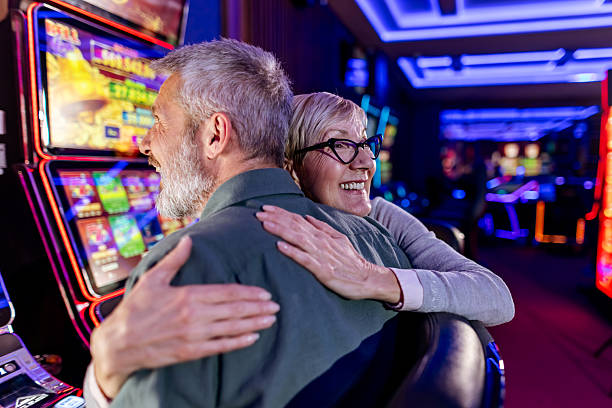
Exploring Kaboom Slots Casino
Kaboom Slots Casino offers a unique platform for individuals interested in online gambling, providing a wide variety of games that appeal to various emotional experiences. With over 3,000 options, including slots and table games, players can find entertainment tailored to their preferences. The dynamic atmosphere of the casino captures the excitement that many seek in gambling while offering a safe space to explore their habits.
The casino also emphasizes the importance of responsible gambling, with features designed to help players set limits and manage their emotional responses. By promoting a positive gaming environment, Kaboom Slots Casino encourages users to enjoy their experience without falling prey to the emotional pitfalls often associated with gambling. This approach not only enhances player satisfaction but also fosters a culture of mindfulness in gambling habits.
For those looking to experience the thrill of online gaming while maintaining emotional awareness, Kaboom Slots Casino presents an ideal option. With a strong emphasis on player support and an extensive library of games, it allows users to engage in gambling responsibly, ensuring that their emotional and financial well-being is prioritized. This balance between fun and responsibility can shape healthier gambling habits for players of all backgrounds.