
Understanding the psychology behind gambling behavior
The Allure of Risk-Taking
Gambling inherently involves risk, and this thrill is a significant factor that attracts individuals to various forms of betting, whether in casinos, sports betting, or online gaming. The psychology of risk-taking can be linked to several motivations, including the excitement of uncertainty and the potential for substantial rewards. When players take risks, their brains release dopamine, a neurotransmitter associated with pleasure and reward, reinforcing the desire to gamble. This biological response can lead to a cycle where individuals continue to gamble in search of that exhilarating high, often overlooking the potential downsides. Many Canadian players find themselves at the forefront of these experiences, leveraging sites like https://joo-casino-canada.com for their gaming adventures.
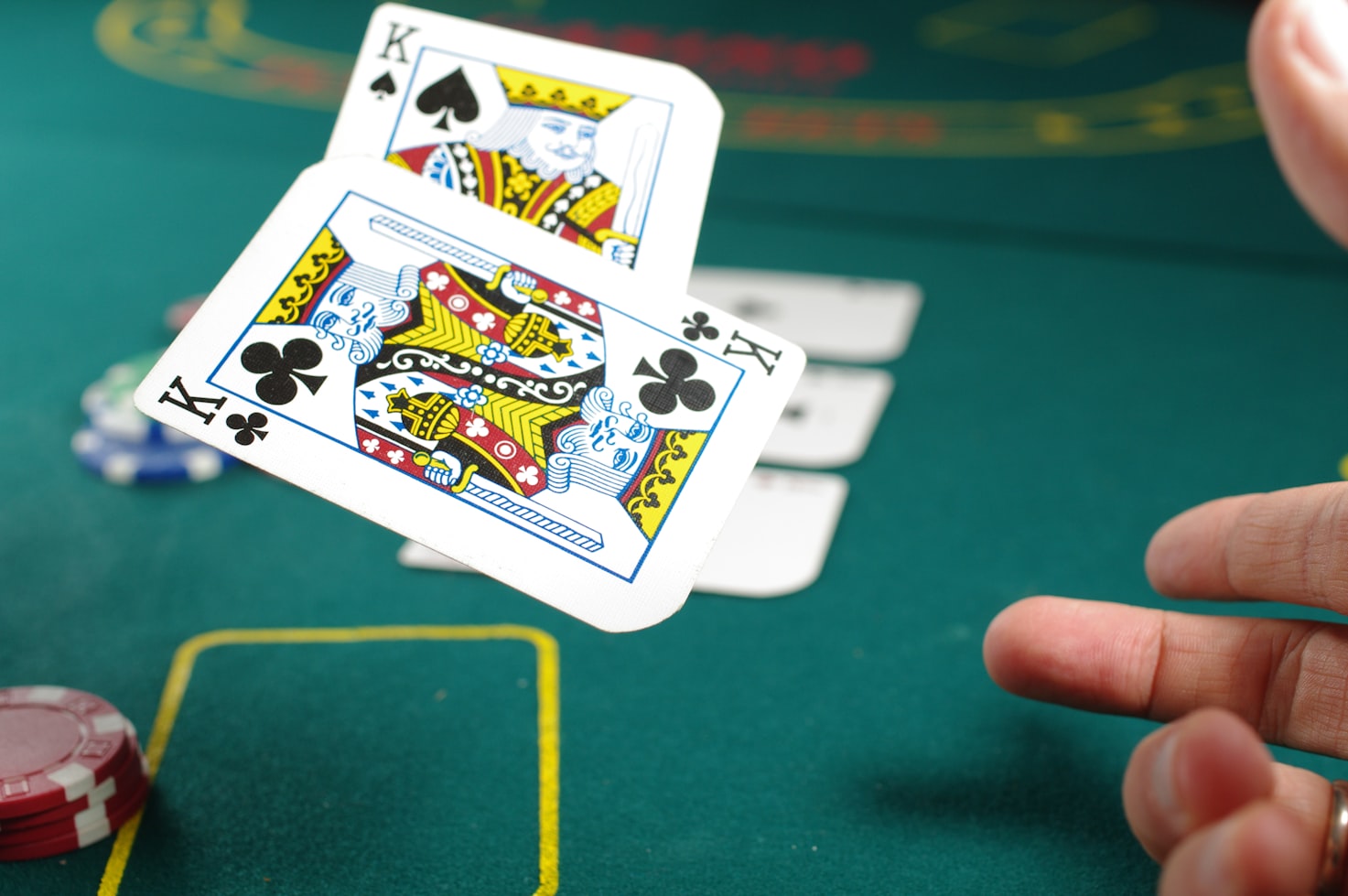
The allure of risk is often coupled with the notion of escapism. For many, gambling serves as a temporary distraction from everyday life. The high-stakes environment of a casino or the thrill of betting on a favorite sports team can provide an escape from stress and anxiety. This psychological phenomenon can be particularly compelling for individuals facing personal or financial challenges, where the potential of winning can appear as a solution to their problems, albeit an illusory one. This blend of excitement and escapism can make gambling an attractive option for many.
Furthermore, cognitive biases play a crucial role in enhancing the appeal of gambling. The «gambler’s fallacy,» for example, leads players to believe that past events can influence future outcomes, such as thinking a winning streak must continue. This misjudgment can encourage ongoing gambling behavior, as individuals rationalize their losses in the hope of a future win. Understanding these psychological factors can help illuminate why gambling is so captivating to so many and the dynamics that underlie high-stakes decisions.
The Influence of Social Dynamics
Social interaction is another critical component of gambling behavior. Many individuals are drawn to casinos or online platforms not just for the games but for the communal experience of betting. The social aspect can create a sense of belonging and camaraderie, as people often share stories of wins and losses. This social reinforcement can perpetuate gambling habits, as players feel encouraged by their peers or influenced by the actions of those around them. Observing others winning can create a powerful psychological urge to participate, fueling the desire to gamble more frequently.
The role of social media and online communities has transformed how gambling is perceived and experienced. With platforms that allow for shared experiences and live discussions about strategies and wins, individuals find a constant stream of social validation. This digital interaction can amplify gambling behaviors, as individuals are continuously exposed to a narrative that glorifies success and downplays failures. The ease of access to gambling information and experiences shared online fosters a culture where gambling is normalized, potentially leading to increased participation.
Moreover, the influence of family and friends cannot be underestimated. Individuals who grow up in environments where gambling is prevalent are more likely to engage in these activities themselves. Family traditions or social gatherings that incorporate gambling can instill a sense of normalcy around betting behaviors. As such, the interplay between social dynamics and individual psychology is vital for understanding why some people are more susceptible to gambling than others.
The Impact of Emotion on Gambling Choices
Emotions significantly influence gambling behavior, often leading individuals to make irrational decisions. When experiencing high emotions, such as excitement or distress, people may gamble more impulsively. This tendency to gamble during emotional highs or lows can create a feedback loop, where the act of gambling becomes intertwined with emotional regulation. For instance, individuals might gamble to celebrate a win or to cope with a loss, further entrenching their gambling habits.
The concept of «loss chasing» is a well-documented psychological phenomenon where individuals continue to gamble in an attempt to recover previous losses. This behavior can lead to substantial financial consequences, as the emotional drive to win back losses often overrides rational thinking. The notion of «just one more bet» becomes a mantra for many, fueled by the hope of changing their luck. Understanding this emotional aspect can help individuals recognize when their feelings are driving poor gambling decisions.
Additionally, the design of gambling environments often plays on emotions, deliberately creating atmospheres that heighten excitement and anticipation. Casinos are designed with bright lights, sounds, and engaging experiences that evoke strong emotional reactions. These sensory elements enhance the gambling experience, making it more immersive and stimulating. As a result, individuals may find themselves drawn to gamble longer and more frequently, as their emotions are continually piqued by the environment around them.
Understanding Addiction and Recovery
The line between casual gambling and addiction can be thin, and understanding this distinction is crucial for both players and their families. Gambling addiction is characterized by an uncontrollable urge to gamble despite the negative consequences it may bring. This compulsive behavior can stem from a combination of psychological, genetic, and environmental factors, making it a complex issue to navigate. Those struggling with gambling addiction often find themselves trapped in a cycle of chasing losses, leading to significant personal, financial, and relational challenges.
Recovery from gambling addiction requires a multifaceted approach, often including counseling, support groups, and sometimes medication. Cognitive-behavioral therapy (CBT) has been shown to be effective in addressing the underlying thought patterns that contribute to compulsive gambling. Support groups like Gamblers Anonymous provide a community for individuals to share their experiences, offer support, and develop healthier coping strategies. Recognizing the signs of addiction early can lead to more effective interventions and better outcomes for individuals seeking to regain control over their gambling behaviors.
Furthermore, public awareness campaigns can play a pivotal role in prevention. By educating individuals about the signs of gambling addiction and promoting responsible gambling practices, communities can foster a healthier gambling culture. Encouraging self-awareness and promoting open discussions about gambling can empower individuals to make informed choices and seek help when necessary, ultimately reducing the prevalence of gambling-related harm.

Joo Casino: A Responsible Gaming Environment
At Joo Casino, we prioritize the well-being of our players and aim to create a responsible gaming environment. We understand the complexities of gambling behavior and are committed to providing tools and resources that help players make informed choices. By promoting responsible gambling practices, we encourage individuals to set limits on their gaming activities, ensuring that their experiences remain enjoyable and within their control.
Our platform offers a variety of features designed to support players in managing their gambling habits. This includes self-exclusion options, deposit limits, and access to responsible gaming resources. Our dedicated support team is available 24/7 to assist players with any questions or concerns, fostering an open dialogue about gambling behaviors and promoting a healthy approach to gaming.
By understanding the psychology behind gambling behavior and implementing measures to support responsible play, Joo Casino aims to be a trusted destination for gaming enthusiasts. We invite players to enjoy our extensive range of games while also fostering a culture of responsibility and awareness in their gambling experiences.